

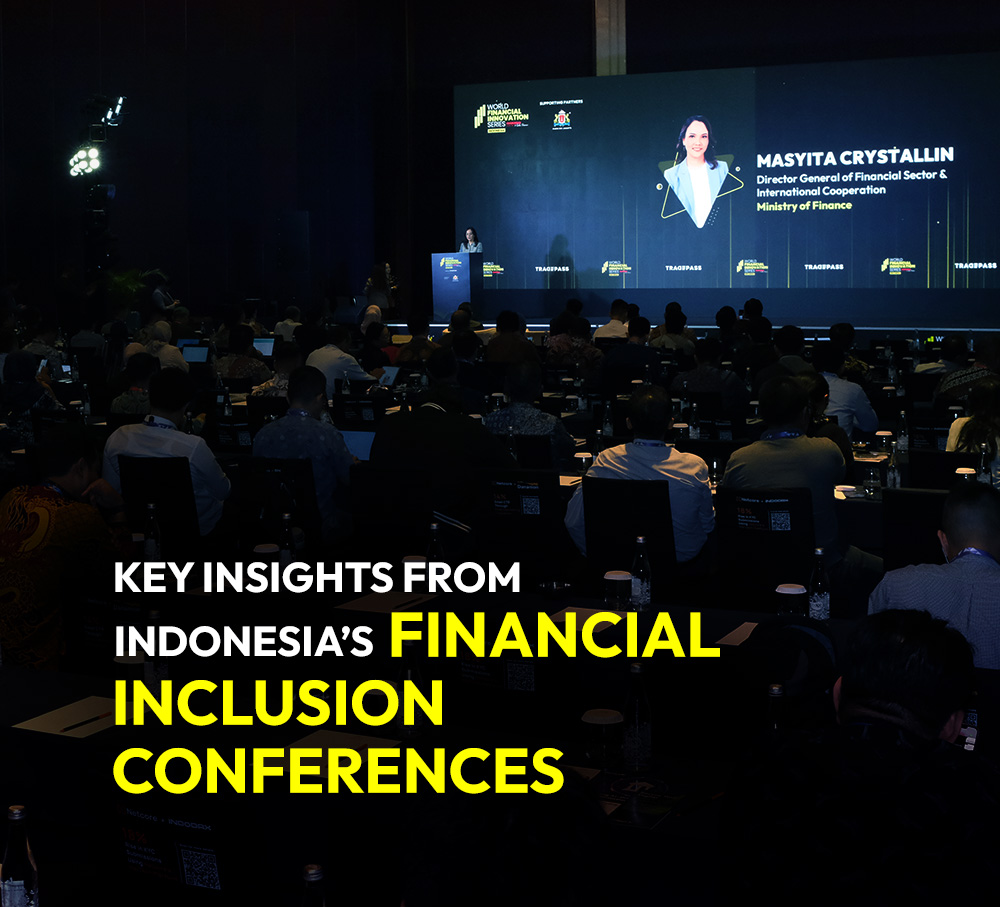
System design, data access, and secure digital rails now shape how finance reaches people. APIs, mobile platforms, and identity layers connect services at scale. These technical foundations define the purpose of a financial inclusion conference. They focus on access, control, and trust across digital finance systems. The discussion begins with tools, not slogans. It centers on how systems perform under real conditions.
Conference Insights Show Where Financial Access Still Breaks Down
Industry forums highlight gaps between policy goals and field execution. Panels often focus on onboarding friction, risk controls, and service reach. Leaders compare platform limits, data quality issues, and cost barriers. These talks frame how fintech solutions Indonesia can address access without raising risk.
Sessions show how modular systems lower entry costs for providers. Cloud deployment shortens launch cycles for new services. Digital identity reduces paperwork and repeat checks. Speakers also stress the need for local design. Products must match user behavior and device limits. Conferences turn these lessons into shared reference points for teams.
Microfinance Discussions Highlight Scale, Control, and Trust
Access to small loans and savings tools remains a core topic. Speakers discuss credit scoring, repayment tracking, and agent support tools. Digital channels help MFIs reach remote users with lower operating costs. These conversations often highlight the intriguing sector “Microfinance Indonesia” as a testing ground for inclusive models.
Mobile-based loan management improves transparency for borrowers. Automated reminders support better repayment discipline. Data sharing across partners reduces fraud risk. Conference case studies show how simple interfaces improve trust. These insights help MFIs scale without losing control or service quality.
Fintech Use Cases Move Inclusion from Theory to Practice
Real deployments carry more weight than concept slides. Speakers share lessons from live rollouts across payments, lending, and insurance. These stories explain what failed, what scaled, and why. They show how fintech solutions in Indonesia adapt under operational pressure.
Discussions cover fraud checks, uptime planning, and partner onboarding. Product leaders explain how user feedback reshaped features. Operations teams describe how automation cut service delays. These grounded examples help attendees plan realistic roadmaps. Conferences become idea labs rooted in practice.
Policy Dialogues Define the Boundaries of Fintech Growth
Regulatory clarity often decides how fast new models scale. Conference stages give room for dialogue between industry and regulators. These exchanges explain sandbox frameworks, data rules, and consumer safeguards. Hearing directly from an Indonesia fintech policy maker helps firms align early.
Policy sessions stress balance between innovation and protection. Speakers discuss oversight for digital lending and payments. They also explain reporting expectations and audit readiness. Clear guidance reduces trial and error for providers. Conferences act as bridges between policy intent and market execution.
Why Financial Inclusion Conferences Matter More Than Ever in Indonesia
As Indonesia accelerates its digital economy agenda, financial inclusion conferences are evolving into operational checkpoints rather than conceptual gatherings. These forums no longer debate whether inclusion is possible, they examine how efficiently it can be executed. The emphasis has shifted toward infrastructure readiness, ecosystem coordination, and measurable impact across underserved populations. In a market as diverse as Indonesia, inclusion is not a single problem but a network of interconnected challenges spanning geography, literacy, trust, and affordability.
A recurring insight from recent discussions is that inclusion depends on orchestration. Banks, fintechs, MFIs, telcos, and regulators must move in sync. Fragmentation slows progress, while aligned digital rails unlock scale. Conferences create neutral ground where these stakeholders stress-test assumptions, compare architectures, and confront bottlenecks that rarely surface in isolated boardrooms.
Another important layer is accountability. Public commitments made on conference stages push organizations to deliver beyond pilot projects. Metrics such as active usage, repeat transactions, and customer retention are now central to inclusion narratives. This reflects a maturing ecosystem where success is measured by sustained adoption, not access alone.
Key takeaways shaping current financial inclusion dialogue include:
- The growing role of microfinance Indonesia as a bridge between formal finance and last-mile users
- Increased focus on interoperable fintech solutions Indonesia to reduce duplication and cost
- Stronger participation from Indonesia fintech policy makers to clarify compliance expectations early
- A shift from product-led inclusion to system-led inclusion driven by data and infrastructure
- Recognition that trust, not technology, remains the hardest variable to scale
These insights reinforce why financial inclusion conferences remain essential to Indonesia’s fintech trajectory, they convert ambition into execution frameworks.
World Financial Innovation Series – Indonesia | Bringing Policymakers, Fintech Pioneers, and Banks Together for Inclusive Growth
WFIS Indonesia stands at the intersection of financial services, public policy, and digital innovation. As a premier platform dedicated to advancing inclusive finance, WFIS Indonesia brings together senior decision-makers who are shaping the country’s financial future. The conference is designed not as a showcase, but as a working forum where strategies are challenged, refined, and aligned with Indonesia’s on-the-ground realities.
What sets WFIS Indonesia apart is its focus on implementation. Discussions are grounded in regulatory context, infrastructure readiness, and consumer behavior. By convening banks, fintechs, MFIs, insurers, regulators, and technology providers under one roof, WFIS Indonesia enables cross-sector collaboration that is difficult to achieve elsewhere. The agenda reflects Indonesia’s unique inclusion landscape, archipelagic geography, mobile-first users, and a fast-evolving policy environment.
The platform also plays a critical role in amplifying policy dialogue. Direct engagement with Indonesia fintech policy makers ensures that innovation remains compliant, scalable, and consumer-centric. This balanced approach makes WFIS Indonesia a trusted reference point for organizations navigating inclusion-driven growth.
WFIS Indonesia focuses on:
- Advancing scalable fintech solutions Indonesia for underserved segments
- Strengthening microfinance Indonesia through digital tools and partnerships
- Facilitating open dialogue between regulators and industry leaders
- Translating financial inclusion goals into executable technology strategies
- Sharing real-world case studies from Indonesia’s financial ecosystem
Claim Your Spot at Indonesia’s Premier Financial Inclusion Event
Register today to be part of WFIS Indonesia and connect with the leaders driving financial inclusion forward. Gain practical insights, engage with policymakers, and explore scalable fintech solutions shaping Indonesia’s financial future. Secure your spot and stay ahead in the evolving inclusion landscape.